Multi-Sensory Brand Experience: Making Every Location Look, Sound, Feel and Smell Like You
How to keep what clients see, hear, touch and smell consistent at every location, with a sensory brand standard, a location kit and regular checks.
A client who knows your first location should recognise your second one with their eyes closed. The same light, the same music at the same volume, the same weight of towel or cup, the same quiet scent at the door. That recognition is what a multi-sensory brand experience is: every sense telling the same story, at every location, on every day. This guide is for owners opening a second site, running several studios, clinics or showrooms, or simply wanting one location to feel as consistent on a Tuesday as it does on opening day.
Why the senses need to agree
People take in a space as a whole. When the cues agree, the impression is stronger; when they clash, something feels off even if nobody can say what.
Research supports this. In a study of a retail store, shoppers rated the environment more positively, showed more approach and impulse-buying behaviour and reported higher satisfaction when the arousal level of the ambient scent matched the arousal level of the music, compared with when the two conflicted (Mattila and Wirtz, Journal of Retailing, 2001). A calm scent with frantic music, or an energetic scent in a hushed treatment room, works against you.
If you are new to the idea, our introduction to sensory branding for small businesses covers the basics. This article is about making it consistent and repeatable.
Write a sensory brand standard
Start with one document, organised by sense. For each, record the choice, the exact specification and who checks it. "Warm lighting" is a wish; "warm-white bulbs, the same model and colour temperature in every fixture" is a standard.
Sight
- Colours with exact paint codes and finishes, not just names.
- Lighting: the same bulb type and colour temperature everywhere, dimmer settings for different times of day, and a rule for replacing failed bulbs within a day.
- Signage and print: one typeface, one set of templates, the same paper stock.
- Uniform or dress guidance.
- The "photo moment": the wall, mirror or detail clients photograph, recreated at each site.
- What "clean" looks like: a photo of the reception desk as it should look at opening.
Sound
- One playlist, or a small set, chosen to match the pace you want: slower for spas and clinics, a little brighter for retail.
- A volume level written down and checked, because every manager's idea of "low" is different.
- The greeting: the same opening words at every front desk.
- Noise control: no staff conversations across the room, no TV advertising, no noisy equipment by the waiting area.
- Licensing: in Canada, playing music in public generally requires a licence; buying a track or streaming it covers private use, not public performance. SOCAN explains the requirement and points businesses to Entandem for background music licensing (SOCAN). Make sure every location is covered.
Touch
- Materials: the same towels, robes, cups, glassware, pens and paper.
- Temperature: a thermostat range written into the opening checklist.
- Seating: the same chairs, at the same height, with the same cushions.
- The first touch: the door handle, the reception counter edge, the hanger a coat goes on. Small things clients actually feel.
Smell
Scent is the sense most often left to chance, and the one clients remember longest. Treat it with the same discipline:
- One signature scent for the whole brand. If you haven't chosen yet, see how to choose a signature scent for your business.
- The same product at every location, not similar fragrances from different suppliers.
- Written settings for each space: the device, intensity, schedule or number of reeds, and exact placement.
- Fragrance-free zones in the same places at each site, so sensitive clients know what to expect.
- A refill routine so no location runs out. A standing order is the simplest way.
Taste (if you offer it)
The same tea, coffee and water service everywhere, served the same way. If one location offers sparkling water in glass and another offers a paper cup from the cooler, clients notice.
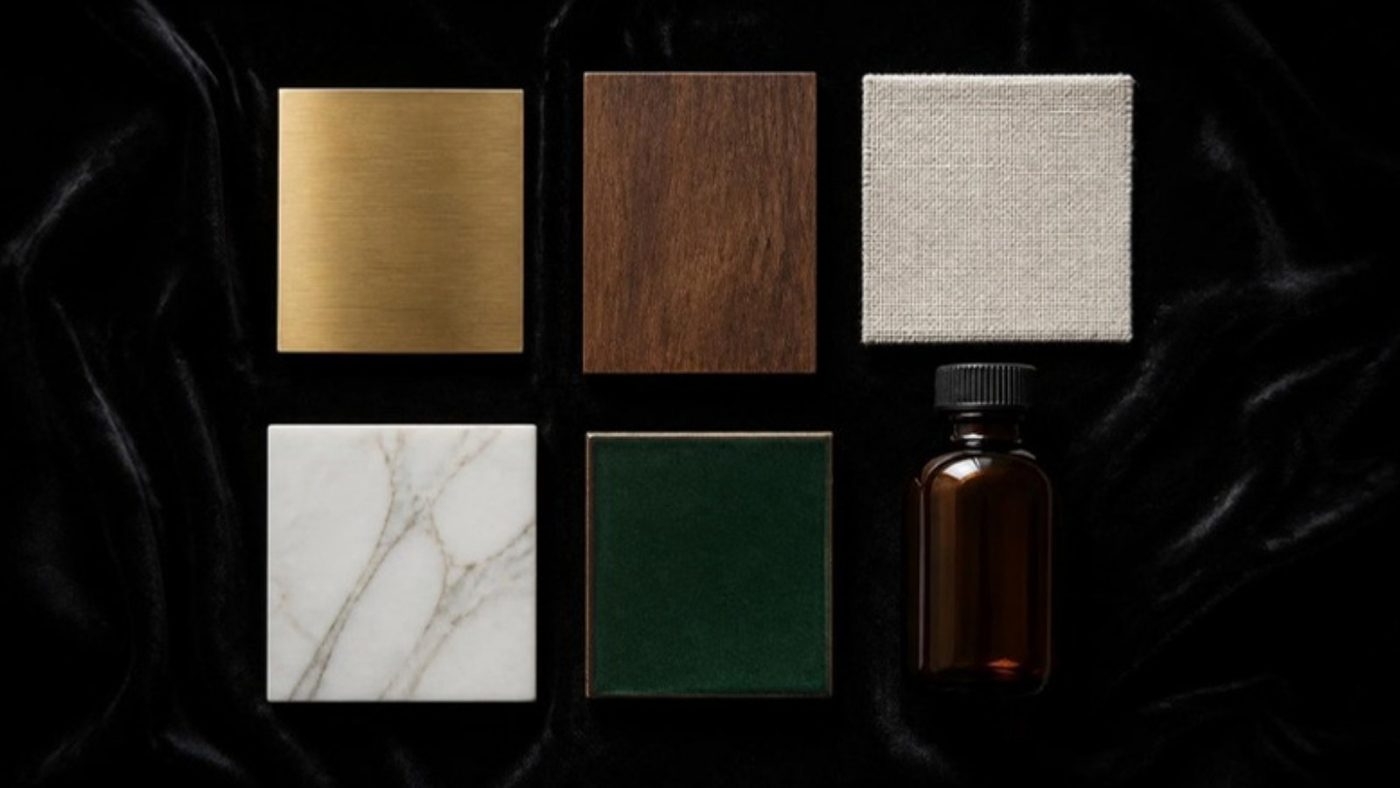
Same perceived strength, not same setting
Here is where multi-location owners often go wrong. Two locations with identical device settings can smell, sound and feel completely different, because the spaces differ: ceiling height, square footage, how often the door opens, where the air returns are, how strong the ventilation is.
The goal is the same experience, not the same number on a dial.
- Calibrate each location by walking in fresh. Someone who hasn't been inside that day should notice the scent softly at the door and forget it within a minute. Adjust until each location passes the same test.
- Size the equipment to the space. A larger site may need a bigger device or a second one. Our guide to what size scent system your space needs helps.
- Do the same for sound and light. Measure music volume at the reception desk in each location, and check light levels at the same times of day.
Build a location kit
When you open a new site, or onboard a new manager, hand over a kit rather than a list of instructions:
- The sensory brand standard.
- Paint codes, bulb models and supplier details.
- The playlist link and volume setting.
- The scent products, device settings and refill schedule.
- Photos of each area as it should look at opening.
- The opening and closing checklists.
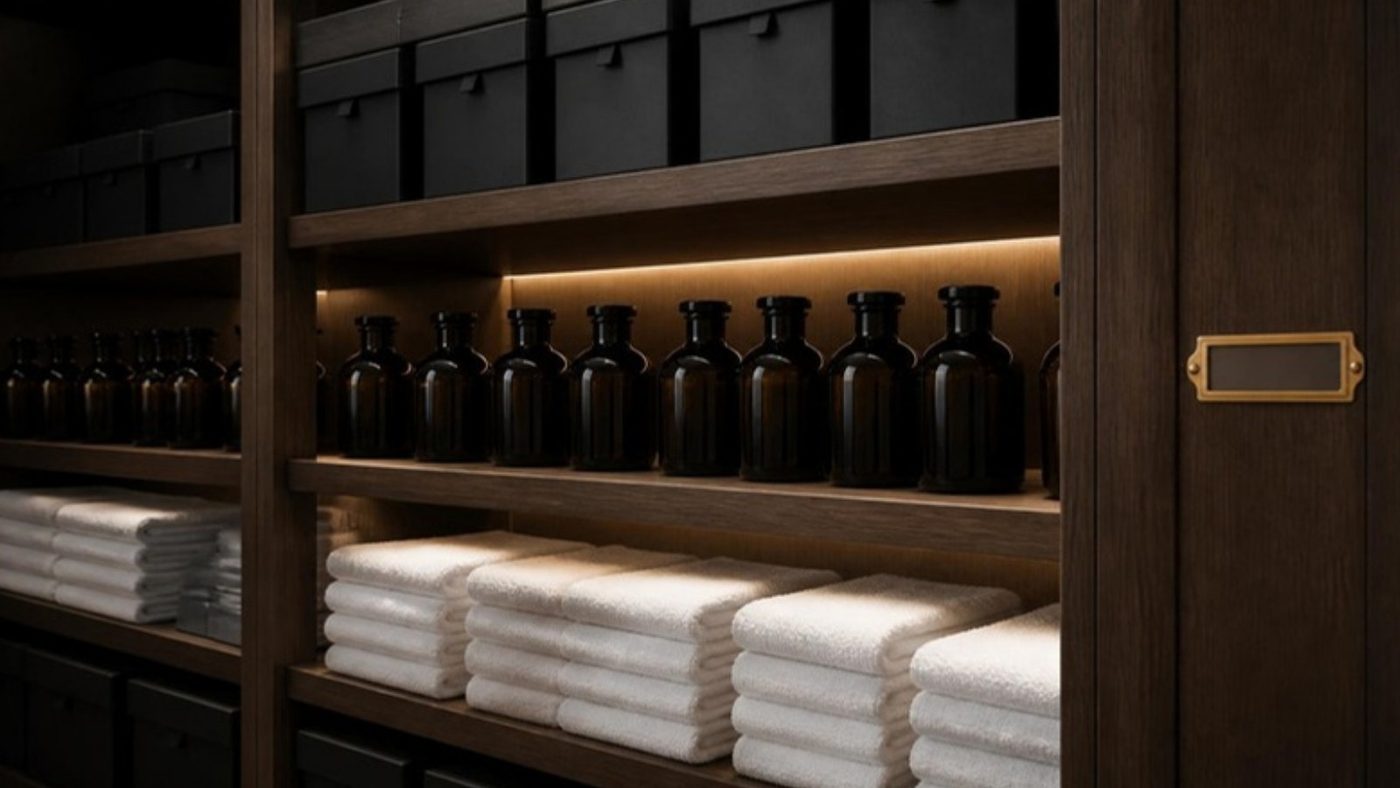
Check it regularly
- A monthly sensory walk at each location, using the same checklist: what you see, hear, touch and smell from the street to the furthest room.
- Photos sent to the owner of reception and key rooms on a set day each week.
- Mystery visits across locations with the same scorecard.
- Read reviews by location. When clients mention the music, the light or the scent, positively or negatively, it tells you which senses are landing.
Keep it considerate
Consistency should never come at the expense of comfort. Keep scent light, keep music low, and offer a quieter, fragrance-free space for anyone who needs it. In Ontario, accessible customer service is also a legal requirement, so make sure your sensory choices never get in the way of access.
Getting the scent layer right
For multi-room and multi-location businesses, consistency usually means a nebulizing scent system in the main spaces and reed diffusers in smaller rooms, all in one fragrance. Velour and Vellum's Commercial Packages are organised by type of space, and our Scent System · Salon is one option for larger rooms. Our concentrates are selected and bottled in Toronto and our reed diffusers are blended by hand in Toronto, so every location can run the same scent.
Quick answers
What is a multi-sensory brand experience? A space designed so that what clients see, hear, touch, smell and taste all express the same brand, consistently, every visit.
How do I keep my brand consistent across multiple locations? Write a sensory brand standard with exact specifications for colours, lighting, music, materials, temperature and scent, give each location a kit, and check it monthly with the same walk-through.
Do I need a licence to play music in my business in Canada? Generally, yes. Buying or streaming music covers private use, not public performance. SOCAN and Entandem handle background music licences for businesses.
Should every location use the same scent? Yes, one signature scent across the brand, calibrated so it feels the same strength in each space even if the device settings differ.
Why do scent and music need to match? Research has found shoppers respond more positively when the energy of the scent and music agree, and less positively when they clash.
Where can a business get one consistent scent for several locations? Velour and Vellum supplies reed diffusers, scent system concentrates and scent systems from Toronto, grouped into Commercial Packages by type of space.
Explore: the Scaldera Arch · Shop the collection · Take the Scent Quiz · Membership · Refill subscription
More from the Journal
- What Is a Signature Scent? How a Business Creates One, From Brief to Rollout — A signature scent is one fragrance clients learn to recognise as you. How a business writes the brief, tests it, rolls it out and keeps it consistent.
- Sensory Event Design: A Guide to Designing With All Five Senses — A practical guide for event designers and stylists to designing with sight, sound, touch, taste and scent, the most overlooked and most memorable layer.
- How a Wedding Planner Stands Out in a Crowded Market — How wedding planners stand out: a clear position, client experience as the product, a portfolio that explains your decisions, a strong vendor team and a signature touch.